Green Cover Enhancement
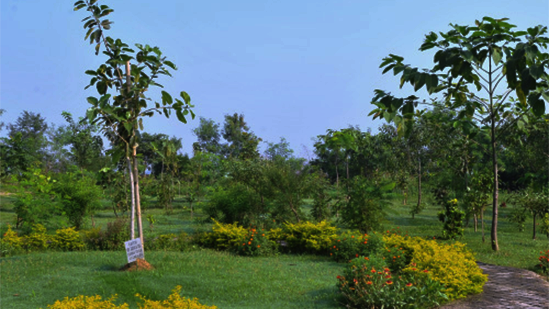
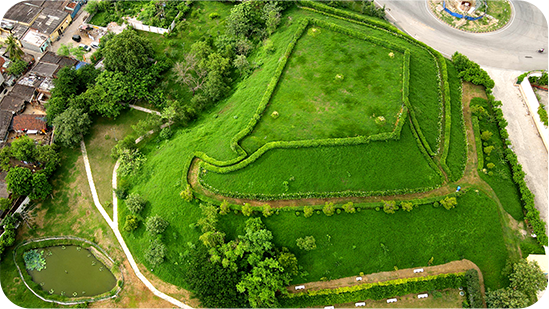
Tata Steel has regenerated the 100-hectare Kakudia Dump of the Sukinda mine in Jajpur, Odisha, through reclamation and rehabilitation involving afforestation. In Noamundi, Tata Steel regenerated forest across 311 acres and successfully restored 62-acre Jugsalai muck dump. Tata Steel Kalinganagar has 33% green cover.
Biodiversity Conservation
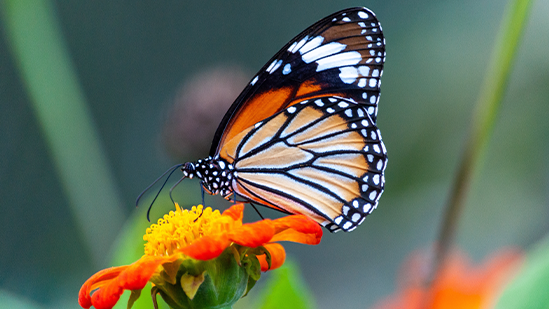
We have converted dump yards into parks, which are now home to thousands of species of flora and fauna. By turning reclaimed mines into dense plantations, we have provided homes to various birds and butterflies.
Eco-restoration & Reclamation
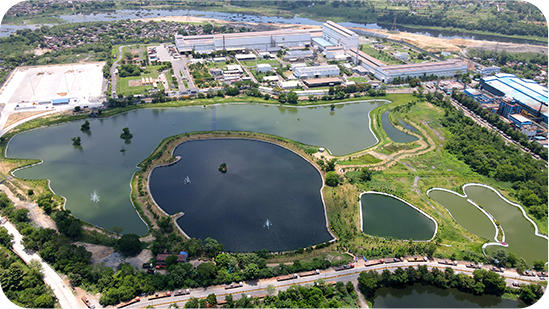
We actively support the UN Decade 2021-2030 for #EcosystemRestoration by preventing, halting and reversing damage. Tata Steel has developed Miyawaki forests across its main locations. In West Bokaro, we reclaimed 100 hectares of the mined-out area and created the Sir Dorabji Tata Biodiversity Park with installations such as Butterfly Park, Hibiscus Park, Medicinal Park, Species Garden, Reptile Niche, Mughal Garden, Rock Garden and a water reservoir. Approximately 25 acres of ash mound has been transformed into a biodiversity park at Tata Steel Meramandali with a variety of diverse features including the Butterfly Park, Reptile Mount, Bamboo Tunnel and Medicinal Herb Garden.
Water Conservation
At Tata Steel Kalinganagar, our water conservation efforts have led to zero effluent discharge with rainwater harvesting structure of more the 1 lakh m3 capacity across TSK and NINL plants. In West Bokaro, we converted the mined-out pit into a rainwater harvesting structure that can hold around 1,250 million gallons of water and has a catchment area of 152 hectares.
This water is used for mining and allied activities and recharges the area's groundwater table.
Tata Steel has also conducted river basin studies of Brahmani and Subarnarekha rivers to facilitate development of relevant basin-specific stewardship interventions. We have implemented loT based Smart Water Management System at the Athagarh Ferro Alloys Plant to optimise water usage.
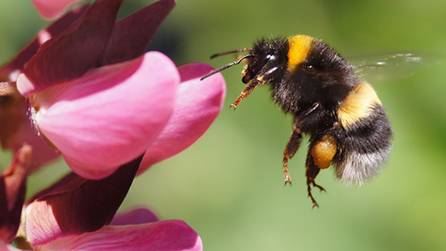
Tata Steel UK is actively enhancing biodiversity, most notably achieving The Wildlife Trusts' Biodiversity Benchmark at their Shotton site, which hosts a significant common tern colony. Their initiatives include developing Biodiversity Management Plans for sites and contributing to local wetlands, aiming to balance industrial activities with environmental conservation, including the use of local bees for pollination.
Integration of SSSI (Site of Special Scientific Interest): Habitat protection and enhancement aligned with UK environmental norms.
At Tata Steel Nederland, biodiversity protection is woven into a broader environmental transformation – from Roadmap Plus projects that cut dust and heavy-metal fallout around IJmuiden to the Green Steel Plan that replaces coal-based blast furnaces with cleaner DRI–EAF routes, all under a global commitment to complete biodiversity risk assessment of IJmuiden and other operational sites in the Netherlands by FY27.